

Oneisland.Threesignaturecrops.
Ceylon tea, spice and coconut share the same terroir, the same growing families, and 150 years of export infrastructure behind them.
The case for origin
A geography that grows differently.
Sri Lanka sits eight degrees off the equator with a monsoon that splits the island into distinct growing zones. Tea climbs into the central highlands. Cinnamon and pepper stay in the wet-zone forest belt. Coconut lines the coastal triangle.
That geography produces cup profiles, oil grades and quill quality you can taste against origin from anywhere else — and export infrastructure that has been shipping to Europe, the Gulf and North America for over a century.
What Ceylon is known for
Three categories, one origin.
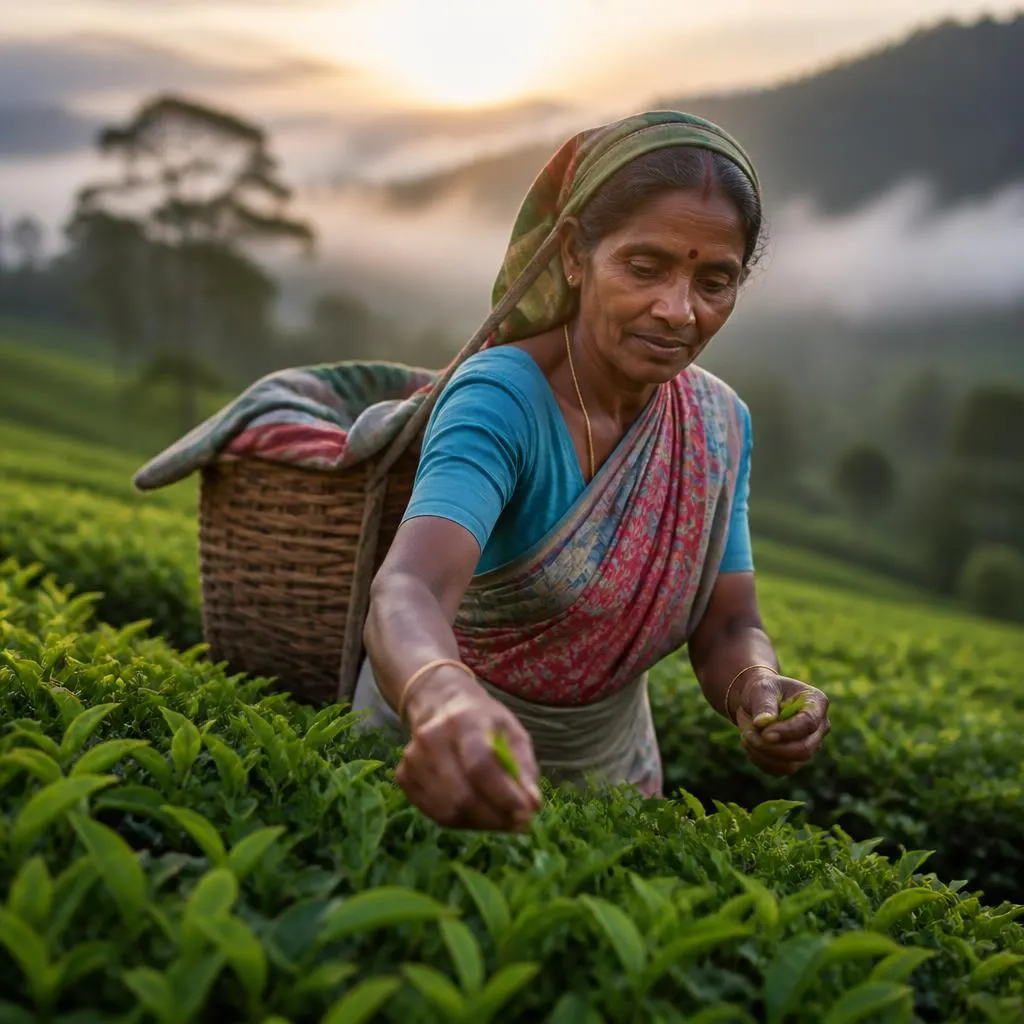
Ceylon Tea
Single-origin black, green and white teas from elevations of 600–2,000 m. Estate-marked, grade-marked and traceable to the factory that rolled the leaf.
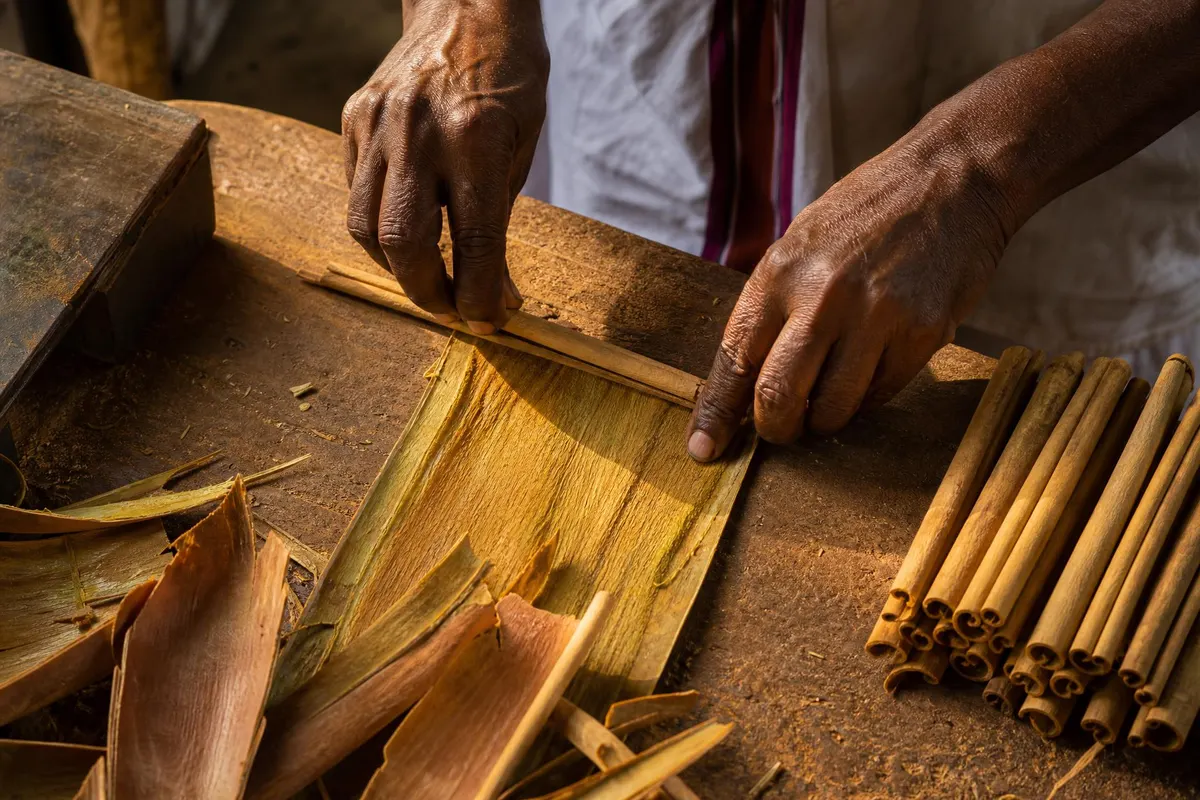
Ceylon Spices
True cinnamon (C. verum), black pepper, cloves, cardamom and nutmeg — grown in the wet-zone belt that has supplied global spice trade since the 16th century.

Ceylon Coconut
Virgin coconut oil, desiccated coconut, coir and king coconut water from the coconut triangle — Puttalam, Kurunegala and Gampaha.
The producer base
A supply base you can actually talk to.
Most Ceylon producers are family-run estates and second-generation exporters. On Serendib Trade you message the person who owns the factory — not a brand-house buyer three trades removed from the leaf.